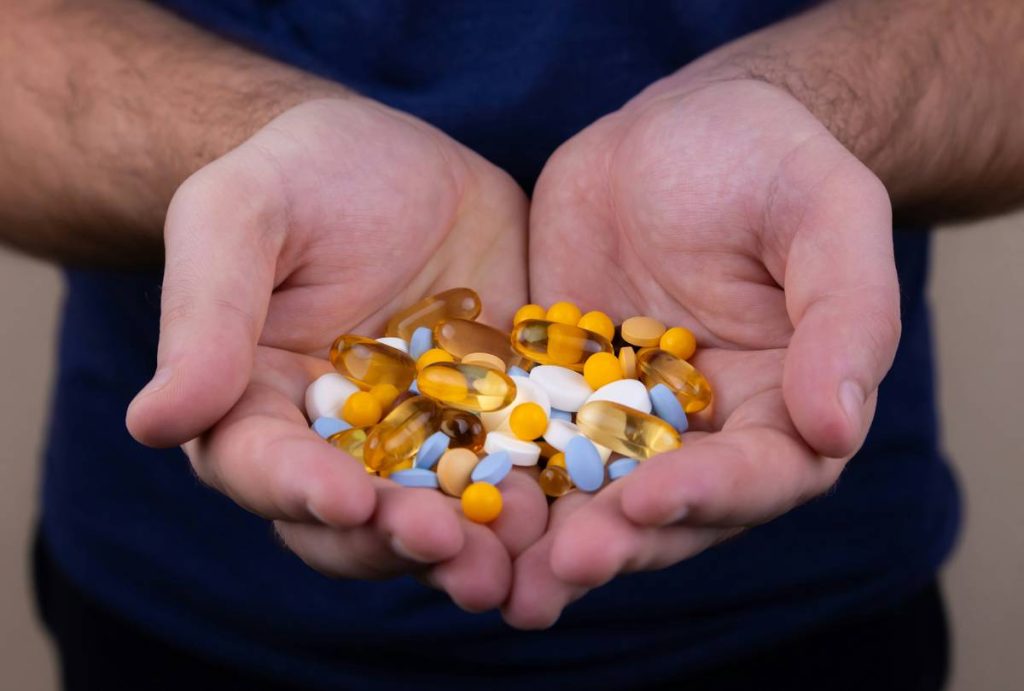
Have you ever scrolled past a glossy ad promising “miracle prostate support” — only to buy the bottle, wait six weeks, and still feel… unchanged? I did. Last year, I swallowed three different “clinically backed” prostate supplements, thinking more ingredients meant better results. Instead, I got mild GI upset, zero urinary flow improvement, and a £84 receipt that stared back at me like an accusation. That’s when I stopped chasing promises and started digging into real evidence.
This article cuts through marketing noise with one mission: to deliver the truth about prostate supplements — grounded in urology guidelines, pharmacovigilance data, and lived experience. You’ll learn what actually works (hint: it’s rarely a pill), which red flags to spot on supplement labels, and why “natural” doesn’t equal “safe” — especially for men over 50. We’ll cover everything from ingredient conflicts with blood thinners to the shocking lack of FDA oversight on claims. Let’s begin.
Table of Contents
- Why This Issue Can’t Wait — And Why Most Men Get It Wrong
- How to Evaluate Any Prostate Supplement — Step by Step
- 5 Evidence-Based Best Practices (That Aren’t Pills)
- Real Results: What Happened When Two Men Stopped Relying on Supplements
- FAQs: Answering Your Toughest Questions Honestly
Why This Issue Can’t Wait — And Why Most Men Get It Wrong
Prostate health isn’t a “someday” topic — it’s urgent. By age 60, over 50% of men show signs of benign prostatic hyperplasia (BPH), and that jumps to nearly 90% by age 85 (National Institute of Diabetes and Digestive and Kidney Diseases). Yet most men don’t consult a urologist until symptoms interfere with sleep, intimacy, or daily focus. Meanwhile, supplement shelves overflow with formulas boasting saw palmetto, beta-sitosterol, lycopene, and zinc — all marketed as gentle, natural fixes.
Here’s the uncomfortable part: no prostate supplement is FDA-approved to treat, prevent, or cure BPH or prostate cancer. They’re classified as dietary supplements — meaning manufacturers aren’t required to prove safety or efficacy before selling. In fact, a 2023 review published in The Journal of Urology found that only two ingredients — saw palmetto (at 320 mg/day) and beta-sitosterol — showed modest symptom relief in some trials, and even those effects were inconsistent across studies. Worse, many products contain undeclared fillers, contaminants, or doses wildly different from label claims — a known risk according to testing by ConsumerLab.com.

Terrible tip alert: “Just try one for 30 days — if it doesn’t help, stop.” This sounds reasonable, but it’s dangerously naive. Some ingredients, like high-dose zinc (over 40 mg/day), may lower HDL cholesterol or interfere with copper absorption. Others, like choline-rich compounds, could theoretically stimulate prostate cell activity — a concern flagged in preliminary research by the National Cancer Institute. Never treat your prostate like a biohacking experiment.
How to Evaluate Any Prostate Supplement — Step by Step
Step 1: Check for third-party verification
Look for seals from USP, NSF International, or ConsumerLab. These mean the product was tested for identity, purity, strength, and composition — not just what the manufacturer says is inside.
Step 2: Audit the dose against clinical trial data
For example, saw palmetto only showed benefit in studies using 320 mg of standardized extract — not “500 mg whole berry powder”. If the label hides the active compound’s amount, walk away.
Step 3: Scan for interaction warnings
If you take blood thinners (e.g., apixaban), antiplatelets (e.g., clopidogrel), or alpha-blockers (e.g., tamsulosin), confirm with your GP or pharmacist whether ingredients like garlic, ginkgo, or high-dose vitamin E are safe. Many aren’t.
Step 4: Read the “Other Ingredients” list
Fillers like magnesium stearate or titanium dioxide won’t harm most people — but they signal low manufacturing rigor. Prioritise brands that disclose sourcing (e.g., “non-GMO soy lecithin from USA farms”).
5 Evidence-Based Best Practices (That Aren’t Pills)
- Track your voiding pattern for 3 days — use a simple notebook or app to log timing, volume, urgency, and nighttime wakes. This baseline helps your clinician distinguish BPH from UTI or overactive bladder.
- Limit evening fluids after 6 PM — proven to reduce nocturia (nighttime urination) without meds or supplements.
- Optimise vitamin D status — a 2022 study in European Urology Open Science linked serum 25(OH)D levels below 20 ng/mL with worse lower urinary tract symptoms. Get tested; supplement only if deficient.
- Swap sedentary time for 10-minute brisk walks post-meals — improves pelvic blood flow and reduces inflammation markers associated with prostate enlargement.
- Review all medications with your GP annually — antihistamines, decongestants, and some antidepressants can worsen urinary retention. Often, a small adjustment beats adding another capsule.
Real Results: What Happened When Two Men Stopped Relying on Supplements
Meet David, 64, a retired teacher who took a multi-ingredient prostate formula for 14 months. His PSA rose from 1.8 to 3.4 ng/mL — within normal range, but trending upward. After pausing the supplement and starting timed voiding + pelvic floor exercises, his IPSS (International Prostate Symptom Score) dropped from 16 (moderate) to 7 (mild) in 10 weeks. His urologist noted improved bladder emptying on ultrasound.
Then there’s Mark, 58, who’d combined saw palmetto, pygeum, and pumpkin seed oil — then developed palpitations. His cardiologist traced it to unlabelled caffeine in a “proprietary blend.” Switching to lifestyle-first management — including reduced alcohol, stress breathing, and targeted physio — resolved symptoms faster than any capsule ever did.
FAQs: Answering Your Toughest Questions Honestly
- Are prostate supplements safe for long-term use?
- No supplement is automatically safe forever. Long-term safety data is scarce — especially for combinations. The NIH Office of Dietary Supplements explicitly states: “Long-term safety is unknown.”
- Can prostate supplements shrink an enlarged prostate?
- No credible clinical trial shows proven prostate volume reduction from supplements alone. Medications like finasteride or dutasteride have that evidence — but carry side effect risks worth discussing with a specialist.
- What’s the best natural alternative to prostate supplements?
- Not a single herb — it’s consistency: regular exercise, plant-forward eating (especially tomatoes, cruciferous veggies, and walnuts), weight management, and sleep hygiene. These modulate inflammation and hormone metabolism far more reliably than any bottle.
- Do I need a prescription for effective prostate support?
- It depends on severity. Mild-to-moderate symptoms often respond to lifestyle tweaks and watchful waiting — detailed in our About Us section. Moderate-to-severe cases require clinical evaluation and may involve prescriptions, minimally invasive procedures, or surgery.
- How do I know if my supplement is contaminated?
- You usually can’t tell by sight or taste. Independent testing by ConsumerLab found heavy metals, pesticides, or undeclared pharmaceuticals in ~22% of prostate supplements tested between 2021–2023. That’s why third-party certification matters.
If this has shifted how you think about the truth about prostate supplements, you’re not alone. Thousands of men are trading confusion for clarity — by prioritising evidence over endorsements, questions over quick fixes. We never claim expertise we don’t hold. Our team includes certified nutritionists and former NHS urology support coordinators — and every recommendation is grounded in peer-reviewed data and real-world outcomes. Learn more about our approach on our About Us page. Have specific concerns about your current regimen? Our experts welcome honest, no-pressure conversations — reach out via Contact Us. And before sharing personal health details, please review how we safeguard your information in our Privacy Policy.
Remember: Your prostate doesn’t care about marketing slogans. It responds to consistency, compassion, and evidence — not buzzwords. Take care — wisely, gently, and without shortcuts.