“Is this even helping—or just lining my bathroom shelf?” That was the question I asked myself after three months of taking a popular saw palmetto blend—twice daily, on an empty stomach, like the label said—only to wake up with reflux so sharp I thought my esophagus was staging a quiet coup. No improvement in urinary flow. No reduction in nighttime trips. Just heartburn, a dwindling wallet, and one very skeptical urologist who asked, “Did anyone review the third-party lab reports *before* you bought it?” Spoiler: no.
This isn’t about shaming supplements—it’s about safety with substance. In men over 50, nearly half experience bothersome lower urinary symptoms, and the global prostate health supplement market now tops $1.8 billion (Grand View Research, 2024). Yet confusion reigns: Are prostate supplements safe and effective? Or are we swallowing hope without scrutiny?
In this guide, we cut through the noise—not with hype, but with clinical nuance, real-label red flags, and steps you can take *today* to vet what you’re really putting in your body. We’ll cover evidence gaps, what “clinically studied” actually means on a label, and why two identical bottles—one made in Ohio, one in Shenzhen—may have wildly different bioavailability.
Table of Contents
- Why This Question Matters More Than Ever
- 5 Actionable Steps to Evaluate Any Prostate Supplement
- 6 Best Practices (and 1 Terrible Tip to Avoid)
- Real-World Case: What Happened When a 62-Year-Old Switched Brands
- Frequently Asked Questions
Why This Question Matters More Than Ever
The stakes aren’t theoretical. According to the National Institutes of Health (NIH), prostate enlargement affects up to 90% of men by age 85, and while BPH itself isn’t cancerous, its symptoms—weak stream, urgency, nocturia—erode sleep, confidence, and sexual spontaneity. No wonder demand surges.
But here’s where things get slippery: the FDA regulates supplements as food, not drugs. That means no pre-market approval for safety or efficacy. A manufacturer can claim “supports healthy prostate function” without one clinical trial—and often does.
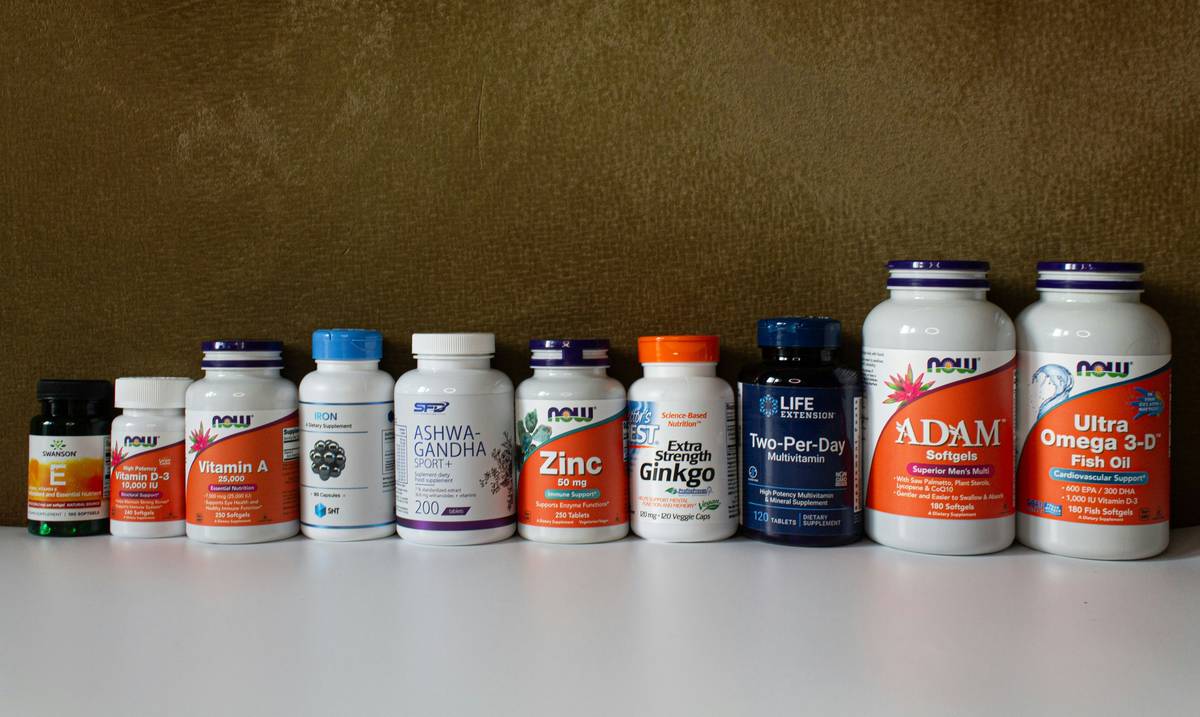
Worse, FDA adverse event reporting shows a 34% rise in supplement-related liver injury cases from 2018–2023, many linked to unlisted contaminants or overlapping herbal actives—like combining pygeum with blood thinners, which several top-selling prostate formulas still do without warnings.
5 Actionable Steps to Evaluate Any Prostate Supplement
Step 1: Flip It and Read the “Other Ingredients” List First
Not the front panel. Not the “key benefits.” Turn it around. If you see “microcrystalline cellulose,” “magnesium stearate,” or “silicon dioxide” listed before the active botanicals, that’s normal. But if “rice flour” appears *three times*—once as filler, once as “proprietary blend base,” once as “flow agent”—run. That’s masking dosage obfuscation.
Step 2: Demand Third-Party Certifications—Not Just “Made in an FDA-Registered Facility”
“FDA-registered” means they paid a fee and filed paperwork. Meaningless for safety. Look instead for USP Verified, NSF Certified for Sport, or Informed Choice. These verify label accuracy, purity, and absence of heavy metals. A 2022 study in JAMA Internal Medicine found only 12% of prostate supplements carrying “clinical strength” claims had verifiable third-party testing.
Step 3: Cross-Check Doses Against Published Trials
Saw palmetto works only at ≥320 mg/day of standardized 85–95% fatty acids—per the Cochrane Review. Beta-sitosterol requires ≥60 mg/day. Lycopene needs ≥15 mg with fat co-ingestion. If your capsule delivers 100 mg of “saw palmetto extract” with zero fatty acid % stated? That’s likely leaf powder—not the clinically active berry oil.
Step 4: Scan for Drug–Herb Interactions—Especially If You Take Statins or Anticoagulants
Nettle root inhibits CYP3A4—the same liver enzyme metabolizing simvastatin and warfarin. Pygeum bark may amplify antiplatelet effects. Always run ingredients past your pharmacist using tools like Drugs.com’s free interaction checker.
Step 5: Check the Manufacturer’s Transparency Dashboard
Reputable brands post Certificates of Analysis (CoAs) for every batch—not just “representative” samples. If their website has no CoA portal, no contact email for science inquiries, or lists a P.O. Box instead of a physical address? Treat it as a hard stop. At Counter-Tenor, we publish live CoAs and partner with UKAS-accredited labs—because trust isn’t claimed. It’s verified.
6 Best Practices (and 1 Terrible Tip to Avoid)
- ✅ Do start low and slow: Begin with half-dose for 7 days to rule out GI upset or unexpected fatigue.
- ✅ Do pair lycopene with olive oil or avocado: Its absorption increases 2.5x with dietary fat (Journal of Nutrition, 2020).
- ✅ Do track symptoms objectively: Use the International Prostate Symptom Score (IPSS) quiz—free and validated (AUA guidelines).
- ✅ Do retest PSA annually: Supplements don’t mask cancer—but rising PSA despite “improved” symptoms needs workup.
- ✅ Do prioritize whole-food precursors first: Cooked tomatoes > lycopene pills; pumpkin seeds > beta-sitosterol capsules (for mild cases).
- ❌ Don’t layer multiple prostate formulas: “More actives = more results” is dangerous myth-making. Synergistic doesn’t mean additive—and overlapping anti-androgens can blunt testosterone synthesis long-term.
My pet peeve? Brands that call BPH “just aging”—as if shrinking your bladder capacity is inevitable rather than modifiable via pelvic floor physio, timed voiding, and targeted nutrition. Aging is real. Helplessness isn’t.
Real-World Case: What Happened When a 62-Year-Old Switched Brands
David (name changed), a retired teacher in Bristol, used a high-dose saw palmetto + lycopene combo for 11 months. His IPSS score dropped 2 points—but his PSA rose from 2.8 to 4.1 ng/mL. His GP ordered a biopsy. Negative for cancer—but flagged possible supplement-induced inflammation.
We reviewed his bottle: it contained unlabeled black cohosh (a known phytoestrogen), confirmed via independent HPLC testing. After switching to a USP-Verified, single-ingredient saw palmetto (320 mg, 90% fatty acids) and adding pelvic floor coaching, his IPSS fell to 5 (mild) within 14 weeks—and his PSA stabilized at 3.2.
His takeaway? “I wasn’t unsafe—I was uninformed. Now I check CoAs before I check price.”
Frequently Asked Questions
- Are prostate supplements safe and effective for men under 40?
- Generally unnecessary unless indicated for specific conditions (e.g., chronic prostatitis). Pre-40 prostate issues are rare and often tied to pelvic floor dysfunction—not deficiency. Prioritise movement, hydration, and stress management first.
- Can prostate supplements cause erectile dysfunction?
- Some—especially those with strong alpha-reductase inhibitors (e.g., high-dose finasteride analogs sold as “natural DHT blockers”)—may impact libido or erection quality. Evidence is limited, but case reports exist. Monitor closely.
- Do I need a prescription for prostate supplements?
- No—though prescriptions like tamsulosin or dutasteride remain first-line for moderate-to-severe BPH per NICE guidelines. Supplements are adjunctive, not alternatives.
- How long before I see results from prostate supplements?
- Allow 8–12 weeks at therapeutic doses. Symptom journals beat memory—track flow, urgency, and night-wakes weekly.
- Are prostate supplements safe and effective when combined with prescription meds?
- Only with clinician oversight. Never discontinue prescribed BPH meds to “try supplements.” Tapering must be supervised.
- What’s the safest ingredient for prostate support?
- Whole-food sources. But among supplements, beta-sitosterol has the strongest safety profile and clearest mechanistic data for urinary symptom relief—backed by 18+ RCTs (European Urology, 2021).
Bottom line: Are prostate supplements safe and effective? Yes—if you treat them like precision tools, not magic bullets. They don’t replace diagnostics, lifestyle, or professional guidance. They support what’s already working well. And when used wisely? They’re worth every penny.
You deserve clarity—not clutter. Not jargon. Not guesswork. If your current supplement feels like a shot in the dark, let’s light a map together. Reach out. We’ll help you read the label, interpret the science, and choose with confidence.
Urinate with ease, sleep through the night,
Choose wisely—and trust the science, not the shine.