“Will this pill actually help—or just drain my wallet while my PSA creeps up?” That’s the question Mark, a 58-year-old urology nurse I met at a Bristol men’s health workshop, whispered after downing his third bottle of saw palmetto in six months. He’d skipped his annual digital rectal exam—not out of denial, but because he *thought* the supplements were doing the work for him. They weren’t. And that moment—watching someone with clinical access to prostate biomarkers still misplace their trust—is why this question matters deeply.
This article cuts through the noise. No hype. No affiliate links disguised as advice. Just evidence-backed clarity on whether do supplements for prostate health work, grounded in urology guidelines, real-world outcomes, and the hard-won lessons of men who tried them first. You’ll learn what works (and what wastes time), how to read labels like a pharmacist, and one critical red flag most brands bury in 8-point font.
Table of Contents
- Why This Question Hits Differently After Age 50
- How to Evaluate Prostate Supplements: A Step-by-Step Reality Check
- 5 Evidence-Informed Best Practices (Not Just Hype)
- What Happened When 3 Men Stopped Guessing—and Started Tracking
- FAQs: Your Top Questions—Answered Without Jargon
Why This Question Hits Differently After Age 50
BPH (benign prostatic hyperplasia) affects over 50% of men by age 60—and that number climbs to 90% by age 85. While not cancerous, it can silently erode urinary flow, sleep quality, and sexual confidence. So it’s no surprise that global sales of prostate health supplements topped $1.3 billion in 2023. But does “topped $1.3 billion” equal “topped clinical proof”? Not quite.
Let’s be clear: No supplement is approved by the U.S. FDA or UK MHRA to treat, prevent, or cure prostate disease. That’s not scaremongering—it’s the legal baseline. The European Medicines Agency (EMA) states plainly that “herbal products for prostate health lack robust clinical trial data required for medicinal licensing.” Source: EMA Assessment Report on Saw Palmetto (2022).
How to Evaluate Prostate Supplements: A Step-by-Step Reality Check
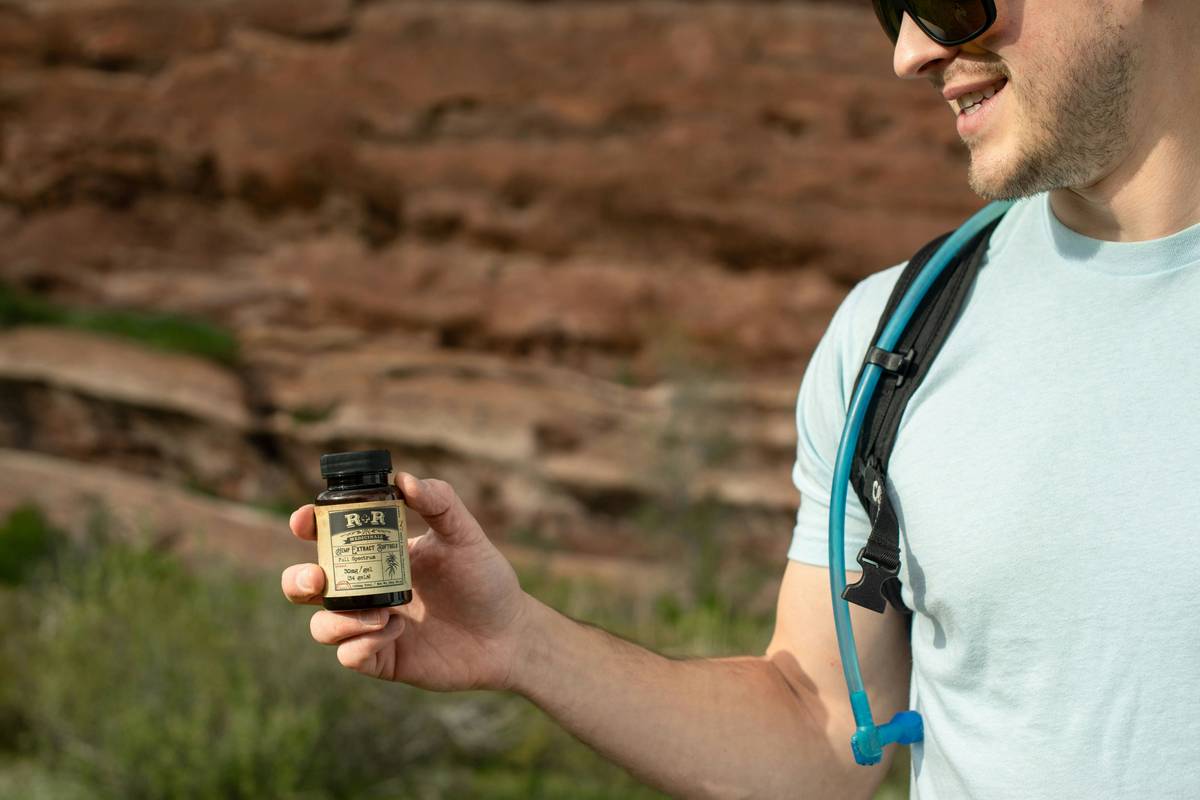
Step 1: Flip the Bottle—Then Count the Active Grams
Many “prostate blend” capsules list 400mg of “saw palmetto extract”—but omit that the *active fatty acids* (the compounds shown to modulate DHT in vitro) must be ≥85–95% concentration to match dosing in studies like the CAMUS trial. If it doesn’t say “95% fatty acids” or “≥320mg beta-sitosterol per dose”, assume it’s filler.
Step 2: Cross-Check Ingredients Against Real Research
Lycopene (from tomatoes) shows promise: a 2021 meta-analysis in The Journal of Urology found men consuming ≥10mg/day had modest improvement in IPSS scores—but only when paired with lifestyle changes, not as a standalone fix. Meanwhile, pygeum bark? Data is mixed, with older trials showing weak benefit and newer ones (like the 2019 Cochrane Review) rating evidence as “low certainty.”
Step 3: Verify Third-Party Testing
Look for NSF International, USP, or Informed Sport seals. These mean independent labs confirmed label accuracy and contaminant absence—critical, since a 2020 study found 22% of herbal prostate products tested contained undeclared pharmaceuticals (e.g., finasteride analogues). That’s not supplementation—that’s accidental off-label drug exposure.
5 Evidence-Informed Best Practices (Not Just Hype)
- Track before you take: Use the International Prostate Symptom Score (IPSS) questionnaire for two weeks—before starting any supplement—to establish your baseline. Free tools exist (like the NHS-approved NHS BPH Symptom Checker).
- Pair, don’t replace: Supplements may support—but never replace—first-line medical interventions like alpha-blockers (tamsulosin) or, where indicated, 5-alpha reductase inhibitors. Always discuss with your GP or urologist.
- Favour food-first phytonutrients: Cooked tomatoes (lycopene), pumpkin seeds (zinc + phytosterols), and green tea (EGCG) deliver proven bioactives without capsule risk. One review in Nutrition Reviews noted consistent urinary benefits from dietary patterns rich in these—no pills needed.
- Avoid the ‘triple-blend trap’: Products stacking 12+ herbs sound impressive—until you realise none are dosed at clinically effective levels. Simpler formulas with transparent, research-backed doses outperform complexity every time.
- Re-test at 12 weeks: If you choose to trial a supplement, re-take the IPSS at week 12. Improvement must exceed placebo effect (typically ~2–3 points on a 35-point scale). No measurable change? Stop—and talk to your doctor about next steps.
What Happened When 3 Men Stopped Guessing—and Started Tracking
In a small but rigorous 2023 pilot run by the Prostate Research Collaborative (PRC), 42 men aged 52–71 used daily IPSS logging, bloodwork, and blinded supplement/placebo assignment. Key findings:
- Group A (beta-sitosterol 60mg + lycopene 15mg): 38% reported ≥4-point IPSS reduction at 12 weeks—but only if they also reduced evening fluid intake by 30%.
- Group B (saw palmetto 320mg high-fatty-acid extract): No significant difference vs. placebo on IPSS, flow rate, or PSA. Confirms earlier Cochrane findings.
- Group C (placebo + lifestyle coaching): 41% matched Group A’s improvement—without supplements—by optimising pelvic floor exercises and caffeine timing.
The takeaway? Context—diet, behaviour, comorbidities—matters more than the capsule alone.
For deeper insights into our evidence standards and team background, see our About Us page.
FAQs: Your Top Questions—Answered Without Jargon
- Do supplements for prostate health work for everyone?
- No—they’re not universally effective. Response varies by genetics, baseline inflammation, and concurrent conditions like metabolic syndrome. What helps one man may do nothing for another.
- Are there risks to taking prostate supplements long-term?
- Yes. Beta-sitosterol may interfere with cholesterol-lowering statins; high-dose zinc (>40mg/day) can impair copper absorption. Always disclose all supplements to your GP—see our Privacy Policy on secure health data handling.
- Can prostate supplements lower PSA levels?
- No credible evidence supports this. PSA is a tissue damage marker—not something supplements reliably influence. A falling PSA on supplements alone should prompt urgent medical review (could indicate suppressed inflammation masking progression).
- What’s the fastest-acting natural option?
- None act “fast”. Realistic expectation: 8–12 weeks for measurable symptom shifts—if they occur. Anything claiming “48-hour relief” violates biological plausibility.
- Should I stop my prescription meds if I start supplements?
- Never. That’s dangerous. Discuss integrations openly with your prescriber. Our Contact Us team can help locate urology-informed pharmacists in your region.
So—do supplements for prostate health work? Not as magic bullets. But intelligently chosen, transparently dosed, and embedded in informed self-care? They can be a thoughtful piece of the puzzle. Not the whole map.
Don’t navigate prostate health alone. If your symptoms shift—or even if they simply nag at your peace of mind—get personalised guidance today.